The rise of social media has profoundly altered our daily interactions, reaching nearly 4.9 billion users worldwide. On average, people spend about 145 minutes each day on these platforms. While it enhances connectivity with loved ones, it also harbors darker influences. These contribute significantly to rising anxiety, depression, and loneliness levels.
The phenomenon of FOMO, or Fear of Missing Out, illustrates how social media can worsen mental health issues. Grasping the complex psychology behind these effects is vital. It is essential for promoting mental wellness and reducing the negative impact of social media on our psychological well-being.
Key Takeaways
- There are approximately 4.9 billion social media users globally.
- The average daily usage of social media is around 145 minutes.
- Social media can enhance feelings of connection, yet it also fosters anxiety and loneliness.
- FOMO is a prevalent issue that illustrates the psychological strains posed by social media.
- Understanding the psychological ramifications of social media is key to improving mental health.
- Promoting mental wellness practices can help alleviate anxiety related to social media.
Understanding the Psychology of Anxiety
Anxiety significantly impacts psychology, characterized by excessive worry and fear. It can severely hinder an individual’s daily life. The complex relationship between anxiety and mental health reveals various aspects that affect emotional well-being.
Definition of Anxiety in Psychology
In psychology, anxiety is a multifaceted response to perceived threats. It presents through physical symptoms like rapid heartbeat and sweating, alongside psychological distress. Individuals often find themselves overwhelmed by persistent concerns. These concerns impact their ability to function effectively in social and professional environments.
Types of Anxiety Disorders
Several types of anxiety disorders are recognized within psychology. These include:
- Generalized Anxiety Disorder (GAD): Characterized by excessive, uncontrollable worry about various aspects of life.
- Social Anxiety Disorder: Involves intense fear of social situations, leading to avoidance and distress.
- Panic Disorder: Features recurrent panic attacks, causing significant fear and apprehension of future attacks.
Understanding these disorders can aid in identifying effective treatments to enhance mental health.
The Role of the Brain in Anxiety Responses
The brain plays a critical role in anxiety responses. The amygdala, responsible for processing fear and emotional responses, becomes hyperactive in individuals predisposed to anxiety disorders. This heightened responsiveness can lead to an exaggerated reaction to stressors. It amplifies feelings of anxiety when engaging with social media, where triggers can be prevalent.
The Influence of Social Media on Mental Health
Social media has revolutionized communication in the United States, becoming an integral part of our daily lives. Its increasing presence has sparked concerns about its effects on mental health. A significant link has been found between social media use and mental health issues such as anxiety and depression, impacting a substantial portion of the population.
Overview of Social Media Use in the U.S.
In the U.S., social media platforms boast millions of active users. Over 70% of adults engage with some form of social media. Platforms like Facebook, Instagram, and TikTok are at the forefront of daily interactions, predominantly among the younger population. This unprecedented connectivity influences how individuals perceive relationships and self-worth, leading to various mental health challenges.
Connection Between Social Media and Mental Health
Studies have extensively explored the profound impact of social media on mental health. The constant exposure to idealized lives can foster feelings of inadequacy and anxiety. Research shows that 44% of internet users have experienced online harassment, which can severely undermine self-esteem and worsen mental health conditions. The findings underscore a strong correlation between excessive social media usage and increased anxiety and depression.
Statistics on Social Media and Anxiety
The connection between social media and anxiety is clear. Recent data indicate that adolescents spending five or more hours daily on screens face a heightened risk of developing mental health issues, including anxiety. These statistics underscore the critical need for awareness about the relationship between online engagement and emotional well-being.
| Statistic | Percentage |
|---|---|
| Adults using social media | 70% |
| Individuals facing online harassment | 44% |
| Adolescents at risk for anxiety (5+ hours on screens) | High Risk |
How Social Media Creates Pressure
Social media platforms have revolutionized how individuals interact and perceive themselves within their social circles. Users are exposed to curated content that highlights the best aspects of life. This exposure often leads to a cycle of comparison, negatively impacting self-esteem and mental health.
The Comparison Trap on Social Media
The constant exposure to idealized versions of reality can generate feelings of inadequacy. Users frequently compare their achievements, looks, and experiences to those presented by others. This comparison can provoke anxiety, as the stark difference between their lives and the lives presented online becomes apparent.
Fear of Missing Out (FOMO)
FOMO significantly intensifies anxiety among social media users. As individuals witness their peers enjoying vibrant social lives, they feel compelled to stay updated. This compulsion can lead to compulsive checking of platforms, reinforcing feelings of isolation when they perceive themselves as missing out on exciting events or opportunities.
Unrealistic Expectations Set by Influencers
Influencers often present unattainable standards of beauty, success, and happiness, creating an edited vision of life. Many young people are influenced by these unrealistic expectations, leading to dissatisfaction and increased anxiety. The impact of these portrayals can significantly affect mental health and overall well-being.
Emotional Dysregulation and Social Media
Emotional dysregulation is a challenge in managing emotional responses effectively. The fast-paced nature of social media engagement intensifies these difficulties. This often leads individuals to overreact emotionally. Users encounter a constant stream of likes, comments, and shares, which can heighten feelings that are difficult to control. This dynamic interaction can exacerbate mental health issues, affecting younger audiences who frequently engage with these platforms.
Understanding Emotional Dysregulation
Emotional dysregulation is characterized by an individual’s inability to manage their emotional states and reactions fluidly. This condition can lead to various psychological issues, such as anxiety or depression. Factors contributing to emotional dysregulation include individual temperament, past experiences, and environmental variables, including social media interactions.
How Social Media Fuels Emotional Responses
Social media platforms create an environment where emotional responses can be magnified. The reliance on instant feedback, such as receiving likes or comments, can lead individuals to form unhealthy attachments to their online presence. These platforms often amplify negative emotions, as users may compare themselves to others or feel isolated. The constant barrage of information encourages quick emotional reactions, further complicating the management of emotional dysregulation.
Case Studies Linking Emotional Responses to Social Media
Research has shown a correlation between social media use and emotional responses, affecting young adult populations. Numerous studies indicate that sustained engagement in social media can contribute to increased emotional distress. For instance, cases documenting young individuals experiencing anxiety episodes following negative interactions online demonstrate how deeply social media can influence emotional health.
The Impact of Cyberbullying on Anxiety
Cyberbullying has become a pressing issue in our digital age. The rise of social media has led to an increase in online harassment, affecting many. Research shows that 44% of internet users have faced cyberbullying. This statistic emphasizes the need for understanding the link between cyberbullying and anxiety.
Current Trends in Cyberbullying
Technology’s widespread availability has made cyberbullying more common. Victims face various forms of harassment, including derogatory comments and threats. This can lead to feelings of isolation and overwhelm.
Psychological Effects of Cyberbullying
Cyberbullying has profound psychological effects. It can cause heightened anxiety, leading to fear and helplessness. Research shows it can also trigger depression and low self-esteem. These emotional responses can significantly impact daily life and social interactions.
Support Resources for Victims
Victims of cyberbullying need mental health support to deal with their emotional trauma. There are numerous resources available, including:
- Mental health counseling services that specialize in trauma
- Hotlines providing immediate assistance and crisis intervention
- Community support groups focused on helping individuals recover from online harassment
These resources are vital in helping individuals cope with cyberbullying’s effects and aid in recovery.
Social Media-Driven Isolation
In our increasingly connected world, the irony of rising social isolation is striking. People can now interact with loved ones from afar, yet often prioritize these online interactions over in-person ones. This paradox of virtual connection can lead to feelings of loneliness, intensifying anxiety among users.
The Paradox of Connection
Social media platforms aim to connect us, yet they create a veneer of relationships devoid of true interaction. Users engage with numerous acquaintances online, but these interactions lack the emotional depth needed for genuine social fulfillment. This accumulation of superficial connections can stir feelings of alienation, increasing anxiety.
Social Isolation and Anxiety Correlation
Research shows a strong link between social isolation and increased anxiety. Those who spend too much time on social media may pull away from real-world interactions, deepening feelings of loneliness. This isolation weakens emotional support systems, critical for mental health. The absence of these connections creates a cycle, as anxiety drives individuals further from social opportunities.
Long-Term Effects of Isolation
Prolonged social isolation has severe long-term consequences, including chronic anxiety, lowered self-esteem, and diminished social skills. As individuals disengage from face-to-face interactions, they find it harder to navigate social situations. Encouraging re-engagement in personal interactions is vital to counter these effects and promote a healthier approach to connection.
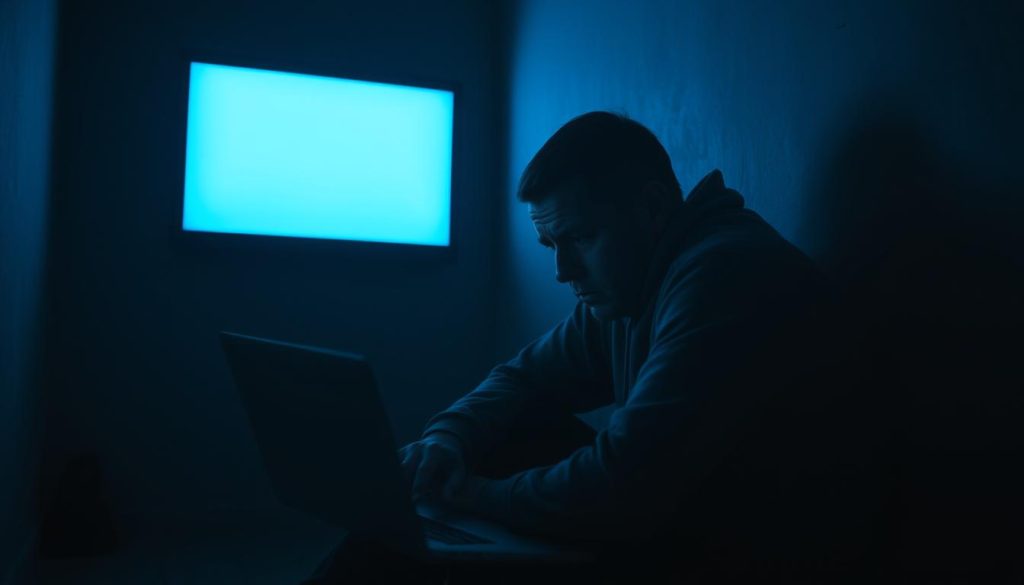
The Role of Algorithms in Anxiety
Social media platforms employ algorithms to tailor content based on user preferences and interactions. This targeted content exposure significantly impacts mental health. Algorithms create echo chambers, reinforcing existing beliefs and feelings. This can trap users in self-reinforcing loops of anxiety-inducing material.
How Algorithms Determine Content Exposure
Algorithms analyze user behavior, including likes, shares, and comments, to present tailored content. This personalized experience enhances user engagement but can inadvertently increase anxiety. Users often encounter information that aligns with their current emotional state, trapping them in patterns of thought that amplify stress and discomfort.
The Impact of Echo Chambers
Echo chambers arise when algorithms repeatedly expose individuals to similar viewpoints, leading to a skewed perception of reality. As users consume content that validates their thoughts, they might become less open to differing perspectives. This limitation can foster feelings of isolation and heighten anxiety, affecting mental health by creating an unrealistic environment where differing opinions seem nonexistent.
The Psychological Effects of Continuous Scrolling
Continuous scrolling through social media feeds can alter users’ perception of reality. It encourages compulsive behavior, where individuals feel the need to stay updated constantly. This habit can lead to obsessive thoughts and unhealthy comparisons with others, straining mental health. Such psychological effects manifest as increased anxiety, contributing to a cycle that is not easily broken.
Strategies for Reducing Anxiety from Social Media
To combat anxiety from social media, individuals can adopt various strategies. These promote mindfulness and aid in anxiety reduction. They encourage a healthier digital relationship, fostering balance and peace.
Mindfulness Techniques
Mindfulness is a potent tool against anxiety. Techniques like deep breathing, meditation, and focused awareness keep users grounded. Incorporating these into daily routines can reduce anxiety caused by social media conflicts.
Setting Boundaries with Device Usage
Setting clear device usage boundaries is key to anxiety reduction. Limiting social media time and taking breaks can significantly lessen stress. This approach helps individuals engage more with their real lives, promoting a balanced lifestyle.
The Importance of Digital Detoxes
Digital detoxes offer a chance to reassess social media relationships. Stepping away from screens fosters mindfulness and encourages offline activities. These detoxes are vital for long-term mental wellness, helping users disconnect from anxious digital thoughts.
Building Healthy Online Communities
Creating healthy online communities is vital for fostering positive interactions and improving mental health. These platforms can significantly reduce anxiety by promoting engagement. Encouraging connections among users helps form meaningful relationships, which are key for emotional well-being.
Encouraging Positive Engagement
Positive engagement in online communities is foundational for mental health improvement. Encouraging respectful discussions, constructive feedback, and uplifting content fosters an environment where users feel valued. When members exchange supportive messages, they create an atmosphere of understanding, reducing anxiety and isolation.
The Role of Support Groups on Social Media
Support groups on platforms like Facebook or Reddit offer vital spaces for people to share experiences and seek advice. These online communities provide a sense of belonging, which is greatly beneficial for individuals facing mental health challenges. By joining these groups, users can enhance their engagement and gain valuable insights from peers facing similar struggles.
Promoting Mental Health Awareness Online
Raising awareness about mental health issues through online communities encourages open conversations and reduces stigma. Campaigns and initiatives aimed at spreading knowledge foster an informed community, empowering individuals to seek help when needed. Sharing resources, articles, and personal stories promotes a culture of acceptance, making users more likely to engage positively.
Recognizing Signs of Anxiety Linked to Social Media
Identifying anxiety symptoms related to social media usage is critical for timely intervention. People may exhibit a variety of symptoms directly linked to their online activities. It is imperative to recognize these signs to effectively manage one’s mental health.
Common Warning Signs of Anxiety
Common anxiety signs include:
- Feelings of inadequacy after scrolling through social media platforms.
- Persistent worry about missing updates or events among friends.
- Changes in social behavior, such as isolation or withdrawal from social engagements.
- Increased irritability or mood swings related to online interactions.
Self-Assessment Tools for Anxiety
Self-assessment tools are invaluable for gauging anxiety levels. These tools often include questionnaires that evaluate emotional health based on social media usage patterns. They offer insights into whether anxiety symptoms are escalating or if professional intervention is required.
When to Seek Professional Help
Those experiencing significant anxiety signs should promptly seek professional help. Recognizing when anxiety interferes with daily functioning, relationships, or overall well-being is essential. Consulting a therapist or counselor can provide guidance on managing symptoms and exploring strategies for improvement.
The Role of Parents in Managing Social Media Use
Parents are instrumental in shaping their children’s social media habits. They can guide them through the complexities of online interactions, promoting healthier usage. Engaging in meaningful conversations ensures open communication, allowing children to discuss their feelings about social media’s impact on their mental health.
Educating Children on Healthy Usage
Parents must educate children on responsible social media usage. This education should encompass both the benefits and risks of online platforms. Discussing privacy settings, the permanence of online actions, and harmful behavior sets a foundation for healthy engagement.
Monitoring and Guidelines for Teenagers
Monitoring social media usage is a key strategy for parents. Setting clear guidelines for screen time and content consumption helps teenagers understand boundaries. Regular check-ins facilitate discussions about any issues that may arise from social media use.
Promoting Open Conversations About Feelings
Encouraging open conversations about feelings is vital. Parents should actively listen and validate their children’s experiences, addressing anxiety about online presence. Such dialogues support emotional well-being and empower children to use social media responsibly.
The Connection Between Social Media and Body Image
Social media profoundly impacts users’ self-perception and body image. The constant flow of visual content often showcases idealized, unattainable beauty standards. This can trigger body dissatisfaction and anxiety. It is essential to grasp these dynamics to enhance mental well-being in our digital age.
The Impact of Visual Content on Self-Perception
Platforms like Instagram and TikTok flood users with meticulously crafted images. These images set unrealistic beauty benchmarks. As a consequence, individuals may experience increased self-criticism and lower self-esteem. This can severely affect their body image.
Body Positivity Movements on Social Media
Body positivity movements have arisen as a counter to social media’s pressures. They advocate for the acceptance and representation of diverse body types. These efforts aim to challenge negative body image narratives, creating spaces where individuals can embrace their uniqueness and value body diversity.
Strategies for Healthy Body Image Online
To foster a healthier body image on social media, several strategies are beneficial:
- Curate social media feeds to include content that promotes body positivity and diversity.
- Engage with accounts that celebrate different body types and share uplifting messages.
- Practice self-acceptance by focusing on personal strengths and achievements, not physical appearance.
- Limit exposure to media that induces feelings of inadequacy or self-doubt.

Professional Help for Anxiety Related to Social Media
Seeking support from mental health professionals is essential for addressing anxiety linked to social media. Various therapy options are available, aiding individuals in navigating their emotional responses effectively. With the right guidance, recovery and growth become attainable goals.
Therapy Options and Their Effectiveness
Exploring therapy options such as individual counseling and online therapy can be beneficial when facing anxiety issues. Many individuals find comfort in these formats, which offer flexible scheduling and personalized attention. Therapeutic sessions provide a safe space to discuss feelings and coping mechanisms, significantly aiding in the management of anxiety.
The Role of Cognitive Behavioral Therapy (CBT)
Cognitive Behavioral Therapy (CBT) has gained recognition for its effectiveness in treating anxiety related to social media. This approach focuses on identifying and modifying negative thought patterns associated with online interactions. CBT equips individuals with practical strategies to challenge these thoughts, paving the way for healthier perspectives on social media usage.
Finding Qualified Mental Health Professionals
Identifying qualified mental health professionals is critical for effective therapy. Individuals should seek practitioners who specialize in anxiety disorders and have experience addressing issues stemming from social media. Recommendations from trusted sources or professional directories can help streamline this search, ensuring appropriate support is obtained.
Future Trends in Social Media and Mental Health
The landscape of social media is evolving, driven by growing mental health awareness. Users are now vocal about their concerns, prompting platforms to create supportive environments. This shift may lead to the integration of tools that promote positive engagement and aid in anxiety management.
The Growing Awareness of Mental Health Issues
In recent years, social media platforms have prioritized mental health awareness. Campaigns aimed at reducing mental health stigma are becoming more common. This change encourages users to share their challenges, fostering a supportive community.
Potential Tools Built into Platforms for Support
Social media companies are developing tools to support users with mental health issues. These may include resources for managing anxiety, helpline access, and prompts for taking breaks. The goal is to create a healthier online space.
The Importance of User Feedback
User feedback is essential in shaping social media’s future. Platforms will rely on user insights to develop policies and features that enhance mental wellness. Engaging with users ensures their concerns are heard, driving continuous improvement in the social media experience.
Conclusion: Moving Towards a Healthier Relationship with Social Media
In today’s digital age, cultivating a healthier relationship with social media is imperative. It is essential for individuals to grasp the psychological impacts of social media on mental health, including its role in elevating anxiety levels. By acknowledging these effects, users can adopt strategies like mindfulness and setting boundaries. These actions help mitigate emotional responses and enhance overall well-being.
Summary of Key Findings
Research highlights a significant link between social media usage and increased anxiety, underscoring the need for mental health awareness. The pressures of comparison, the fear of missing out, and the prevalence of emotional dysregulation are key factors contributing to anxiety online. Recognizing these challenges is a first step towards fostering more supportive and healthy digital interactions.
Call to Action for Social Media Users
Social media users are urged to assess their online behaviors and prioritize mental health. By nurturing positive connections and communities, individuals can significantly improve their relationships with these platforms. This leads to a more balanced digital engagement.
Commitment to Mental Health Awareness
Efforts towards fostering environments that prioritize mental health awareness are collective. By promoting supportive communities and encouraging open discussions about emotions, users can contribute to a healthier social media environment. Each step towards this awareness enriches the digital experience for all.